As The Sod Turns Landscape & Design Inc for Quality Landscaping Services
As The Sod Turns Landscape & Design Inc for Quality Landscaping Services
Blog Article
Transform Your Outdoor Space With Professional Landscaping Services
Transforming exterior areas through professional landscaping services can substantially improve both visual appeal and practical use. Skilled landscapers assess individual properties, customizing plans to suit particular environmental factors and ground composition. They blend a combination of vegetation and structural features to create inviting areas. This strategic method not only boosts property value but also minimizes maintenance needs. Grasping the key elements of successful landscaping is crucial for property owners looking to elevate their outdoor experience. What actions should they take next?
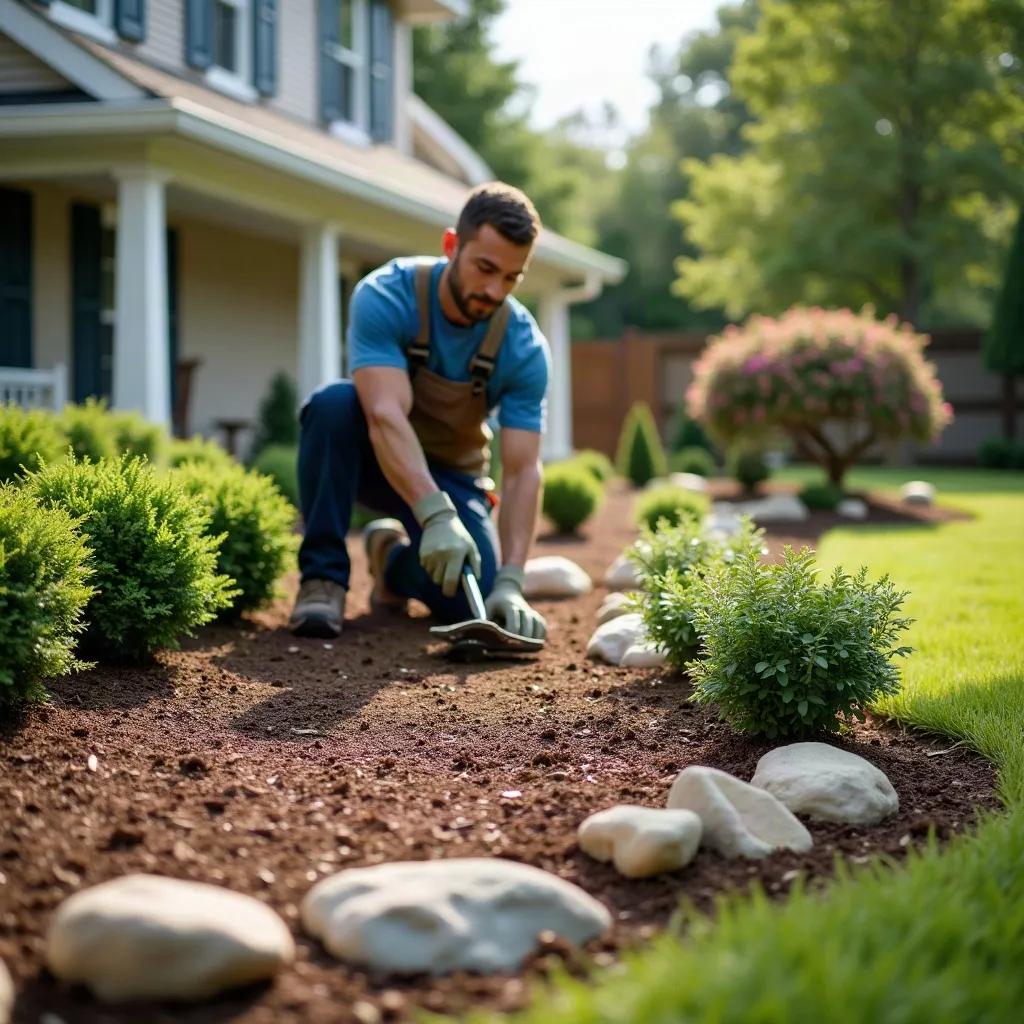
The Advantages of Expert Landscaping Services
Professional landscaping services transform outdoor spaces into practical and visually attractive environments. These services provide a variety of advantages that go beyond mere appearance. One important benefit is the enhancement of property value; expertly crafted outdoor designs can significantly increase a home's market appeal. Additionally, professional landscapers have the expertise to select appropriate plants and materials customized for specific climates and soil types, ensuring sustainability and longevity.
Additionally, these solutions can elevate outdoor capability, forming spaces for rest, amusement, or activities. By purposefully organizing layouts, landscaping professionals optimize the use of space while adding elements like trails, terraces, and flower beds.
Furthermore, employing experts can save homeowners precious moments and labor, alleviating the burden of planning and maintenance. This permits individuals to delight in their landscape areas without the stress of regular maintenance. Ultimately, skilled landscape companies establish environments that amplify both the beauty and usability of outdoor areas.
Essential Elements for a Effective Landscape Design
A thriving landscape design is defined by several key features that contribute to both practicality and aesthetic beauty. First, a well-thought-out layout optimizes space, guaranteeing ease of movement while establishing distinct areas for leisure and social gatherings. Second, the incorporation of hardscape features, such as pathways, patios, and retaining walls, provides organization and durability to the landscape. Third, proper drainage systems are essential to avoid water accumulation and protect plant health.
Additionally, the use of focal points, like sculptures or water installations, guides the eye and enhances visual beauty. Ambient lighting functions as an vital role as well, lighting walkways and paths and accentuating notable landscape elements, thereby extending practicality into the nighttime hours. Finally, a well-considered plant selection, which considers seasonal changes, enhances species abundance and supports local wildlife. Together, these aspects construct a seamless and inviting exterior landscape that reflects the property owner's identity while serving practical needs.
How can property owners select the perfect plants for their gardens? First, understanding the local climate is crucial; plants should flourish in the particular temperature and rainfall conditions of the area. Next, assessing sunlight exposure helps determine whether to select shade-loving or sun-loving varieties. Soil type also plays a important role; testing soil pH and texture ensures compatibility with selected plants.
Homeowners should examine the yard's proportions and structure, deciding on plants that harmonize with the space without overcrowding. Additionally, selecting native plants can promote local species diversity while demanding less attention.
Finally, taking into account personal tastes—such as hue, texture, and seasonal appeal—will help create a aesthetically pleasing landscape. A carefully planned combination of these factors ultimately results in a lively and balanced outdoor space that showcases the homeowner's style while being sustainable and manageable.
Enhancing Efficiency Through Hard Landscaping
Hardscaping functions as a key feature in improving outdoor living spaces by offering useful areas for leisure and social gathering. It also facilitates the development of pathways and patios, directing foot traffic and creating definition to the landscape. Additionally, well-designed hardscaping can improve drainage and minimize soil degradation, contributing to the overall well-being of the yard.
Enhancing External Living Areas
Updating outdoor living spaces significantly strengthens their usefulness, establishing inviting areas for recreation and entertainment. Effective hardscaping elements, including retaining walls, outdoor kitchens, and fire pits, can meaningfully elevate these spaces. Incorporating durable materials like stone, brick, or pavers helps homeowners maintain a harmonized appearance that complements nature while delivering practical benefits. These features not only define areas for social gatherings but also increase accessibility and organization within the outdoor environment. Furthermore, strategically placed seating arrangements can promote conversation and instill a sense of intimacy. In conclusion, a carefully arranged outdoor living space maximizes enjoyment by merging comfort with utility, making it an fundamental element of modern home landscaping.
Designing Trails And Patio Areas
A assortment of carefully designed pathways and patios can substantially elevate yard functionality and aesthetics. These hardscaping elements function as critical links between various zones of a property, providing clear direction while creating spaces for leisure and social gatherings. Outdoor patios make inviting areas for exterior gatherings, designed to house seating and entertaining. Walkways, constructed from options like stone, brick, or concrete, both direct pedestrian flow but also contribute to the overall design theme of the landscape. Adding curves and arcs and varying widths can introduce aesthetic appeal, making the outdoor space more appealing. When professionally placed, walkways and patios blend smoothly with the natural environment, boosting both usefulness and beauty in any outdoor setting.
Boosting Drainage And Erosion
Refining outdoor spaces exceeds mere aesthetics; it also requires dealing with practical concerns like drainage and erosion. Proper landscaping blends hardscaping elements like retaining walls, gravel pathways, and permeable pavements, which help regulate water flow and decrease soil erosion. By carefully placing these features, homeowners can redirect surplus rainwater away from sensitive areas, guarding both plants and structures.
Moreover, incorporating French drains or swales can considerably improve drainage by channeling water to specific locations. These measures not only mitigate damage but also elevate the overall competence and longevity of the landscape. Ultimately, seasoned landscaping experts furnish expertise in putting into place these installation methods, assuring a balanced and resilient outdoor environment that endures against the challenges of nature.
Seasonal Maintenance Tips for Your Landscape
Effective seasonal upkeep is critical for maintaining the beauty and health of any landscape. Homeowners should implement defined duties throughout the months to ensure their exterior zones prosper. In the spring season, the focus should be on cleaning up debris, aerating the soil, and spreading nutrients to support expansion. Warm weather care includes regular watering, applying mulch, and pruning to encourage strong plant life while stopping illness.
As autumn sets in, it's vital to sweep away fallen leaves, arrange garden beds for winter, and introduce perennials for future blooms. Winter upkeep could involve guarding delicate plants via mulch or fabric, maintaining proper drainage, and reviewing hardscapes for winter harm. By adhering to these seasonal care methods, property owners can fortify their outdoor spaces' endurance and aesthetic value, developing a thriving outdoor space all year.
Important Queries to Pose When Hiring a Landscape Contractor?
When selecting a landscape service, what key inquiries should homeowners reflect on to ensure they choose wisely? Initially, they should ask about the company's knowledge and experience in the particular type of landscaping sought. Learning about their design philosophy and prior projects can provide valuable information.
Initially, property owners should ask about licensing and insurance to confirm adherence to municipal requirements and defense from possible risks. A thorough quotation is crucial, so asking for a breakdown of costs will prevent surprise costs.
Inquiring about the timeframe for completion of the project and maintenance options is also fundamental, as it affects sustained satisfaction. Additionally, occupants should research the selection of materials and flora the company applies, validating they align with personal preferences and environmental sustainability. Finally, perusing feedback and asking for references can supply assurance about the service's reliability and quality.
Questions That Are Posed Most
How Much Will Professional Landscaping Typically Run You?
Professional landscaping usually costs $50 to $150 per hour, subject to variations in the scope and complexity of the project and location. Homeowners need to factor in extra expenses for materials, design consultation, and maintenance work when planning your budget for landscaping services.
What is the standard duration for a landscape job?
A landscaping initiative generally takes several weeks to a few days depending on circumstances, contingent on the scope of work, size of the region, and design intricacy, with more expansive projects taking longer for conclusion.
Can Landscaping Enhance Worth to My Property?
Landscaping can substantially boost real estate value by improving curb appeal, creating attractive outdoor environments, and enhancing overall aesthetics. Properly cared for gardens and deliberate layout often bring in future homeowners, creating more desirable in the real estate market.
Which Permits Do You Need for Landscaping Projects?
Landscaping projects often demand various permits, depending on local requirements. Common permits encompass those for tree removal, adding structures, and modifying drainage. Homeowners should consult local authorities to ensure adherence with zoning laws and environmental guidelines.
How Significantly Do Climatic Elements Change Your Landscape Design Decisions?
Weather conditions play a major role in landscaping decisions, as rainfall, temperature, see the facts and sunlight influence plant selection, soil preparation, and maintenance methods. Tailoring designs to local climate guarantees sustainability, growth, and overall aesthetic appeal in outdoor spaces.
Report this page